


 423-874-6628

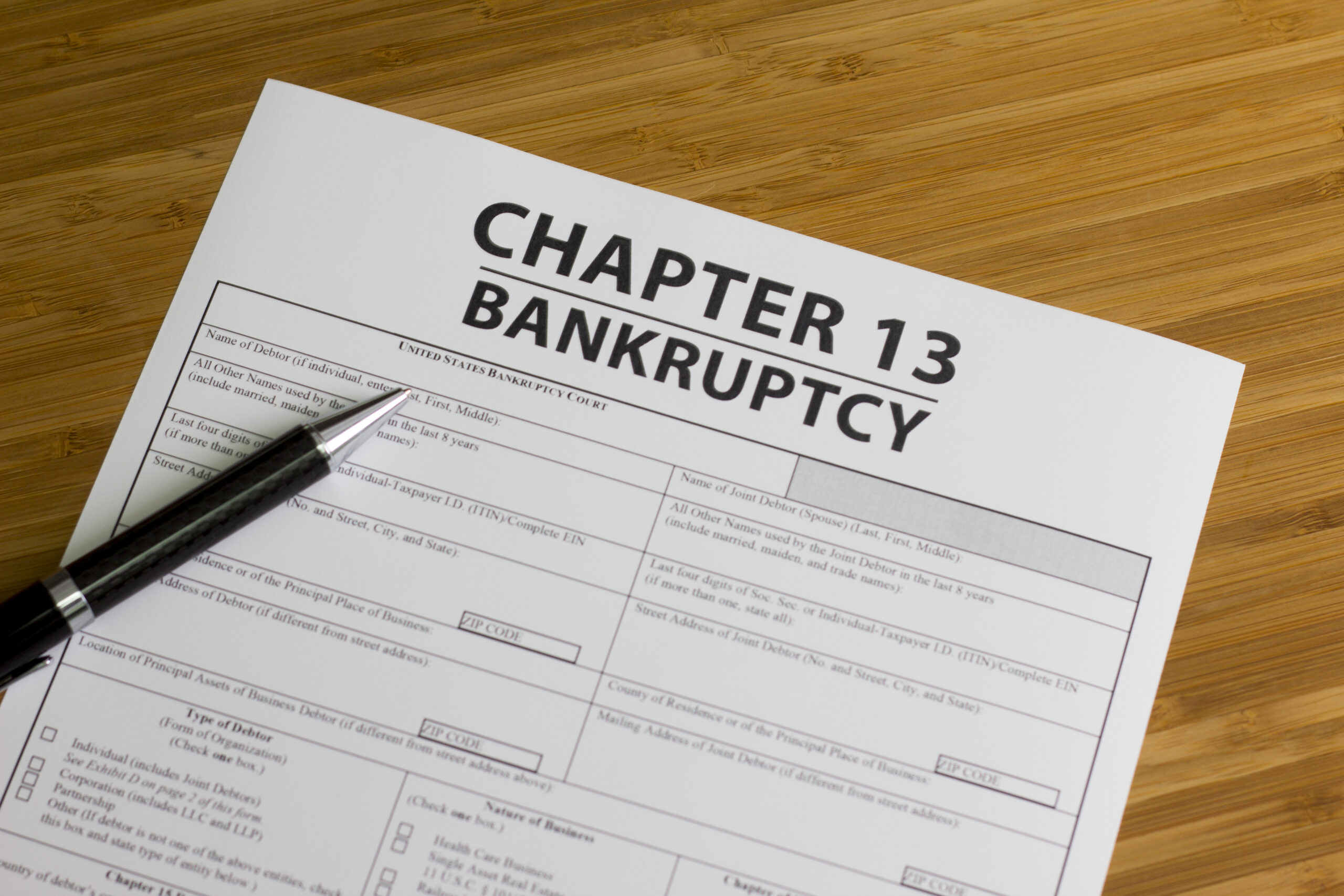
Filing for bankruptcy is one of the most responsible financial decisions many Chattanooga residents can make. Whether you’ve lost a job, faced unexpected medical bills, or are simply struggling to keep up with the cost of living, Chapter 13 bankruptcy offers a structured path forward without forcing you to give up your home or car.
This guide walks you through the process of filing Chapter 13 bankruptcy in Tennessee, step by step, so you know exactly what to expect.
What Is Chapter 13 Bankruptcy and Who Qualifies?
Chapter 13 lets you repay debts over three to five years through a structured plan, rather than liquidating assets, helping you protect your home or car as long as you remain current on your plan and satisfy key mortgage, vehicle, and priority debt obligations.
Chapter 13 is sometimes called a “wage earner’s plan” because it requires a regular income. Under 11 U.S.C. § 109(e), an individual with regular income may qualify for Chapter 13 if their debts fall below the applicable statutory limits and can propose a repayment plan to pay back all or part of their debts over a 36- to 60-month period.
To qualify in Tennessee, you must meet debt limits set by federal law. As of 2026, the U.S. Courts list the Chapter 13 limits as unsecured debts below $526,700 and secured debts below $1,580,125 as of the filing date. You also cannot have had a bankruptcy case dismissed within the past 180 days due to failure to comply with court orders or voluntary dismissal after creditor relief was requested.
If you’re unsure whether Chapter 13 is right for your situation, our post comparing Tennessee Chapter 7 vs. Chapter 13 bankruptcy breaks down the key differences.
Step 1: Complete the Required Credit Counseling
Before filing, Tennessee filers must complete an approved credit counseling course within 180 days. This is a federal requirement, not optional.
Under 11 U.S.C. § 109(h), anyone filing bankruptcy must complete a credit counseling course from an agency approved by the U.S. Trustee Program. You can find the list of approved agencies at justice.gov. The course typically takes about 60 to 90 minutes and can be completed online or by phone.
Once you finish, you’ll receive a certificate. You must file that certificate along with your bankruptcy petition, or within 14 days after filing in limited circumstances.
Step 2: Gather Your Financial Documents
You’ll need a complete picture of your finances, including income, debts, assets, and monthly expenses, before preparing your petition.
Before filing, collect the following:
- Pay stubs or proof of income from the past six months
- Federal tax returns from the last two years
- A list of all creditors and the amounts owed
- Bank statements, mortgage statements, and vehicle loan documents
- Documentation of monthly living expenses
Accuracy matters here. The court requires full disclosure of your financial situation, and incomplete or inaccurate filings can cause serious problems down the line.
Step 3: File Your Bankruptcy Petition in the Eastern District of Tennessee
Chattanooga filers file in the U.S. Bankruptcy Court for the Eastern District of Tennessee, which has a division office located in Chattanooga.
Once your documents are ready, your attorney will prepare and file your bankruptcy petition, schedules, and a Statement of Financial Affairs with the court. The Chattanooga division of the Eastern District of Tennessee handles cases for Hamilton County and surrounding areas.
At this stage, you’ll also pay the filing fee, which is currently $313 for Chapter 13 cases, according to the U.S. Courts fee schedule. In some cases of financial hardship, you may be able to pay in installments.
The moment your petition is filed, an automatic stay goes into effect. This immediately stops most collection actions, including foreclosure proceedings, wage garnishment, and creditor calls. If you need to act quickly to stop a foreclosure or wage garnishment, the filing date triggers that protection.
Step 4: Propose Your Repayment Plan
Your Chapter 13 repayment plan must be filed within 14 days of your petition and must show how you’ll pay creditors over three to five years.
Under Federal Rule of Bankruptcy Procedure 3015, your repayment plan must be submitted within 14 days of filing your petition. The plan outlines how much you’ll pay each month and how those payments will be distributed to creditors.
Certain priority debts, such as many recent taxes and domestic support obligations, generally must be paid in full under the plan. Secured debts, like your mortgage or car loan, may also need to be addressed depending on the circumstances. Unsecured debts, such as credit card debt or medical bills, are often paid only partially, with the remaining balance discharged at the end of the plan.
The monthly payment amount is based on your disposable income, meaning what’s left after necessary living expenses. Tennessee filers should be aware that the applicable commitment period and the required contribution to unsecured creditors may be affected by the means test, which uses IRS-based expense standards.
Step 5: Attend the 341 Meeting of Creditors
The 341 meeting is a brief hearing in which you answer questions under oath from the trustee. Creditors may attend, although they usually do not.
About three to six weeks after filing, you’ll attend a mandatory meeting of creditors, often called the 341 meeting. In the Eastern District of Tennessee, these hearings are typically brief and straightforward. You’ll bring a valid photo ID and proof of your Social Security number.
The trustee will ask questions about your petition and financial situation. Most hearings last only a few minutes.
Step 6: Complete the Plan and Receive Your Discharge
Once you complete all payments under your plan and meet remaining requirements, the court issues a discharge of your remaining eligible debts.
After completing your repayment plan, typically three to five years, you must also finish a debtor education course from a U.S. Trustee-approved provider. Once the court confirms you’ve met all requirements, it will issue a discharge order under 11 U.S.C. § 1328, wiping out the remaining balance on eligible unsecured debts.
From there, the focus shifts to rebuilding. Our page on rebuilding credit offers practical guidance on that next chapter.
Talk to Tom Bible Law Before You File
Filing Chapter 13 is a significant legal process, and small mistakes early on can cost you time, money, or your case entirely. At Tom Bible Law, we understand that the people who come to us are often going through some of the hardest moments of their lives, and we’re here to help without judgment.
We offer free consultations and are ready to walk alongside you through every step of this process. Call us at 423-874-6628 or contact us to schedule your consultation today.

